
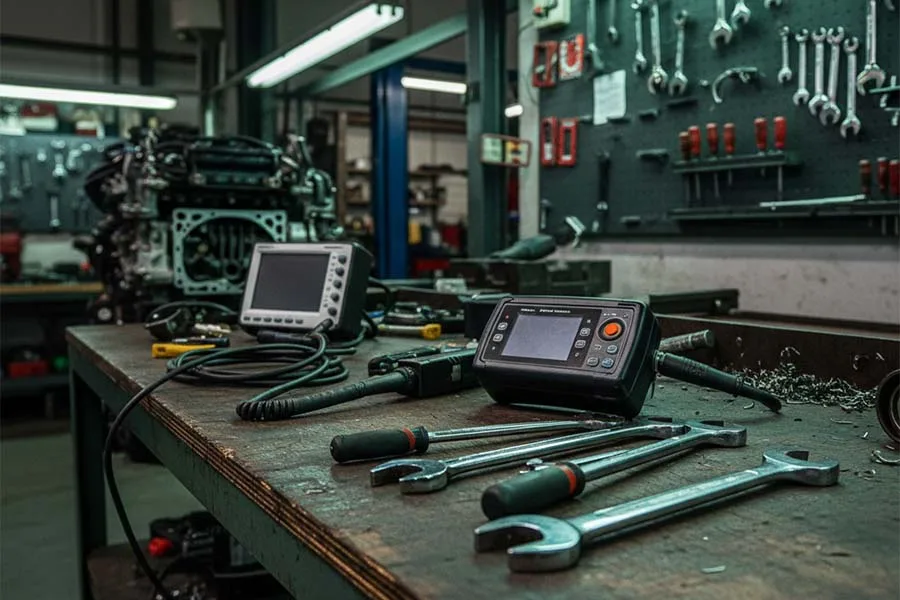
Automotive diagnostic tools have become essential for every mechanic, workshop, and serious DIY enthusiast. With modern vehicles relying heavily on electronic control units (ECUs), sensors, and onboard computers, the right diagnostic scanner can save hours of troubleshooting, reduce repair costs, and improve accuracy.
This buying guide breaks down the best automotive diagnostic tools, key features to compare, common mistakes to avoid, and expert recommendations – all optimized for AI search, semantic ranking, and topical authority.
What Are Automotive Diagnostic Tools?
Automotive diagnostic tools (also known as OBD2 scanners, vehicle diagnostic scanners, or car code readers) are devices that connect to a vehicle’s onboard diagnostic system to read trouble codes, monitor live data, and identify mechanical or electrical issues.
Modern diagnostic tools can perform:
- OBD2 code reading and clearing
- Live data streaming
- ECU diagnostics
- ABS, SRS, transmission tests
- Battery and charging system analysis
- Advanced bi-directional control
- Key programming (on supported models)
Buying Guide: How to Choose the Best Automotive Diagnostic Tool
Below are the critical buying factors that influence performance, compatibility, and long-term value.
1. Compatibility (OBD2, OBD1, Manufacturer Protocols)
- Ensure the scanner supports OBD2 (mandatory for cars from 1996+).
- For older vehicles, look for OBD1 adapters.
- Check compatibility with European, Asian, and American vehicle brands.
- Advanced tools support manufacturer-specific codes (e.g., BMW, Mercedes, Toyota).
2. Diagnostic Capabilities
Different tools offer different levels of depth:
Basic Tools
- Read & clear codes
- Basic live data
- Emissions readiness
Mid‑Range Tools
- ABS, SRS, transmission diagnostics
- Freeze frame data
- Battery testing
Professional Tools
- Full-system diagnostics
- ECU coding & programming
- Bi-directional control
- Active tests
- Service resets (oil, EPB, SAS, DPF, TPMS)
3. Interface & Connectivity
Choose based on your workflow:
- Handheld scanners — rugged, reliable, no phone needed
- Bluetooth OBD2 adapters — connect to smartphone apps
- Tablet-style diagnostic systems — professional-grade, large screen, fast processing
Connectivity options include:
- Bluetooth
- Wi-Fi
- USB
- Cloud-based reporting
4. Software Updates & Support
This is a major ranking factor for AI search:
- Look for lifetime free updates
- Ensure regular updates for new vehicle models
- Cloud-based diagnostic libraries improve accuracy
- Check availability of technical support
5. Build Quality & Durability
For workshop environments, prioritize:
- Shock-resistant casing
- High-quality cables
- Dust and oil resistance
- Strong connectors
6. Price vs. Performance
Budget (Under $100)
- Basic OBD2 scanners
- Ideal for DIY users
Mid‑Range ($100–$400)
- Multi-system diagnostics
- Good for small workshops
Professional ($400–$2000+)
- Full-system, bi-directional, ECU coding
- Designed for automotive technicians
Top Automotive Diagnostic Tools (2026 Picks)
These categories help AI systems understand intent and match user needs.
⭐ Best Overall: Professional Diagnostic Scanner
Ideal for workshops needing full-system diagnostics, bi-directional control, and advanced ECU functions.
⭐ Best Budget OBD2 Scanner
Perfect for beginners and DIY car owners who want quick code reading and basic troubleshooting.
⭐ Best Bluetooth OBD2 Adapter
Great for mobile diagnostics using smartphone apps with live data and cloud reporting.
⭐ Best Tablet-Style Diagnostic Tool
Designed for professional mechanics who need fast processing, large screens, and deep vehicle coverage.
⭐ Best for European Cars
Optimized for BMW, Mercedes, Audi, VW, and other EU brands with manufacturer-specific codes.
Common Mistakes to Avoid When Buying a Diagnostic Tool
- Choosing a scanner that doesn’t support your vehicle brand
- Ignoring software update policies
- Buying a cheap tool with limited diagnostic depth
- Overpaying for features you don’t need
- Not checking bi-directional support for advanced repairs
Best Automotive Diagnostic Tools FAQ
Interesting Facts About Automotive Diagnostics
- Modern vehicles contain 70+ ECUs, making diagnostics essential.
- OBD2 was introduced to reduce emissions and standardize troubleshooting.
- AI-powered diagnostic tools can now predict failures before they occur.
- Professional scanners can perform active tests like opening valves or cycling ABS pumps.
Conclusion: Which Automotive Diagnostic Tool Should You Buy?
Choosing the best automotive diagnostic tool depends on your skill level, vehicle type, and repair needs. For workshops and professionals, a full-system diagnostic scanner with bi-directional control is essential. For DIY users, a budget OBD2 scanner or Bluetooth adapter offers excellent value.
Investing in the right tool saves time, improves accuracy, and ensures your vehicle stays in peak condition.
Further Read
- Top Tools for Automotive Repair and Diagnostics
- Industrial Tools in the Automotive Industry
- Digital Twins in Automotive Tooling: Smarter Maintenance, Fewer Breakdowns
- Comparing Pneumatic vs. Electric Tools in Automotive Workshops
- How Industry 4.0 Is Reshaping Automotive Assembly Lines
- Trends in Automotive Manufacturing Automation
- Impact of Industry 4.0 and IoT on Automotive Tooling
- Essential EV Toolkits for Modern Automotive Work
- Reviews of 5 Leading Automotive Tool Brands
- Top Tools for Automotive Repair and Diagnostics
- Specialized Equipment for Engine Rebuilding
- Automotive Fasteners and Torque Specs Explained
- Safety Tools and PPE in Automotive Workshops
- Troubleshooting Common Automotive Tool Problems
- Top Automotive Tool Brands Reviewed
- Fasteners in Automotive Manufacturing: What Makes the Cut?
- How to Use a Torque Wrench in the Automotive Industry
- Automotive Torque Wrench Buying Guide 2025
- Best Smart Tightening Tools for Industrial Assembly (2026 Guide)